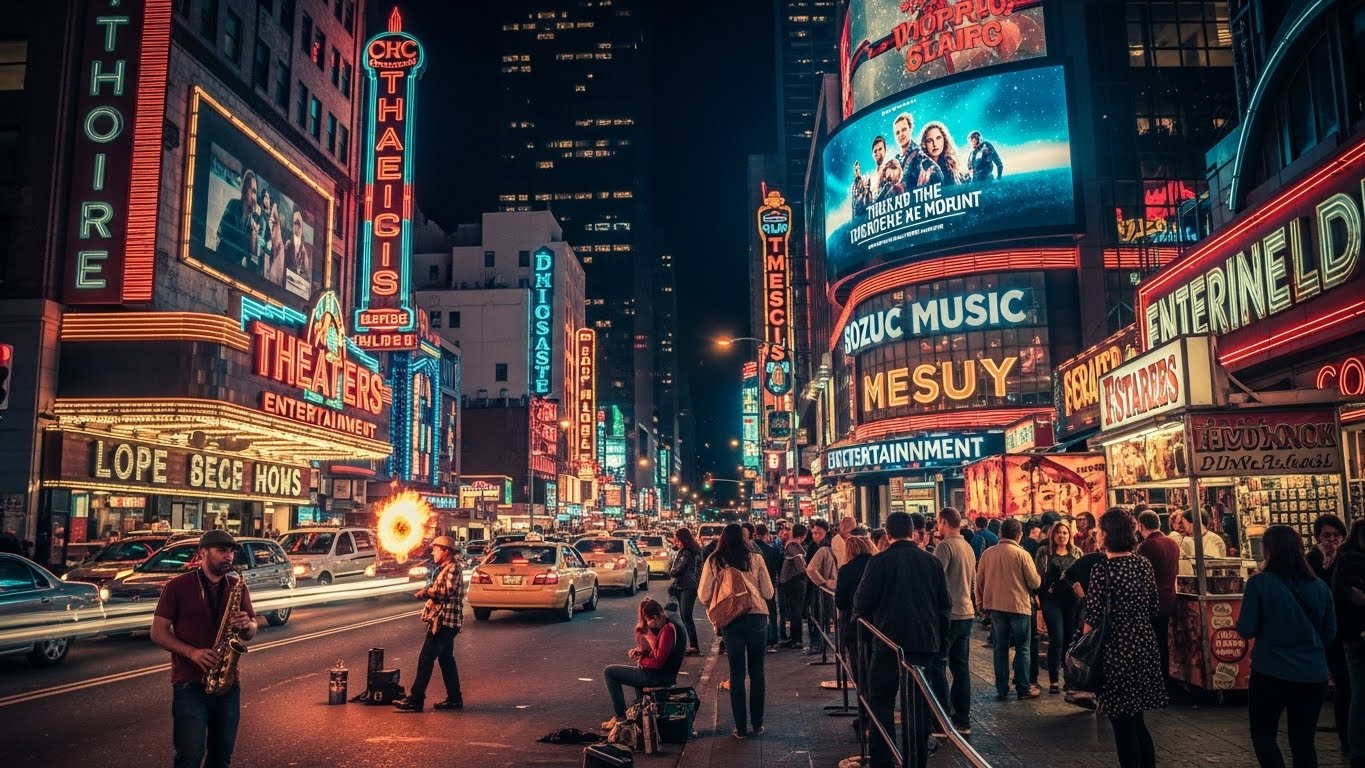
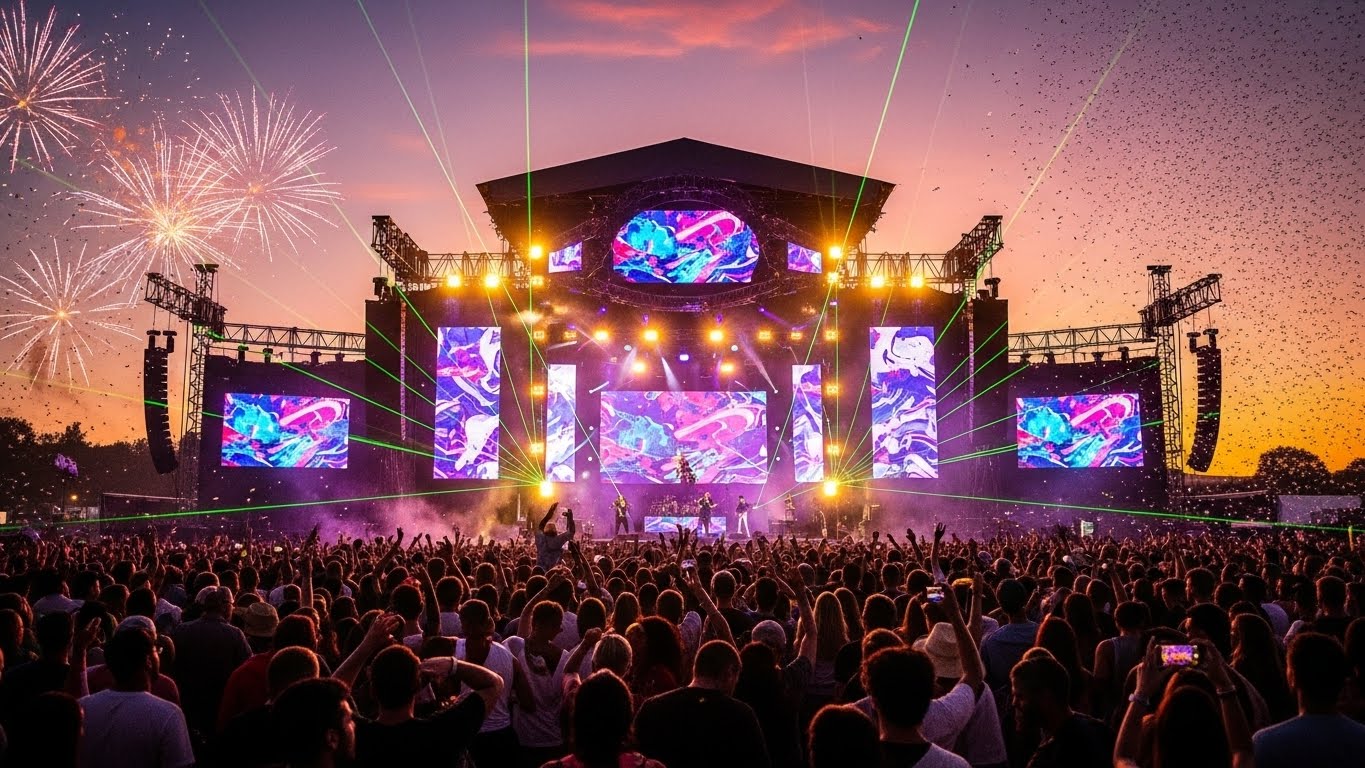
Entertainment is an integral part of human life. It provides an escape from daily routines, a source of joy and connection, and an opportunity to explore new ideas, stories, and perspectives. From ancient forms of entertainment like theater and storytelling to modern innovations such as streaming platforms, virtual reality, and interactive media, the entertainment industry has experienced profound transformations over the centuries. This blog post takes a deep dive into the history, evolution, and current trends in the entertainment world, examining how it has shaped and been shaped by society. It also offers a glimpse into what the future of entertainment might hold.
The Origins of Entertainment: From Ancient Traditions to Early Forms of Theater
Entertainment, in its most basic form, has existed as long as human civilization. In ancient times, people gathered around fires to tell stories, play music, dance, and engage in communal rituals. These early forms of entertainment were often deeply tied to religious beliefs and social customs. For instance, storytelling was not only a form of leisure but also a way to preserve history, culture, and traditions. Oral traditions passed down myths, legends, and moral tales, often accompanied by music, dance, or theatrical performances.
In ancient Greece, entertainment evolved into more formalized art forms, with the birth of theater. The great playwrights like Sophocles, Aeschylus, and Euripides introduced tragedies that reflected the complexities of human nature and the divine. In addition to theater, gladiator games in ancient Rome and other forms of public spectacle became a popular source of entertainment for large crowds. These early forms of entertainment were live, communal experiences that relied on the audience’s direct participation or engagement with the performers.
As civilizations expanded, so did the diversity and sophistication of entertainment. The Renaissance period saw the rise of classical music, opera, and ballet, while the rise of print culture in the 15th century made literature more accessible to the masses. The age-old desire for entertainment through art, music, and storytelling was now coupled with advancements in technology that allowed these forms to be shared more widely.
The Birth of Modern Entertainment: Cinema, Radio, and Television
The 20th century marked a pivotal moment in the history of entertainment, with the advent of cinema, radio, and later television. These technologies radically changed the way people consumed entertainment and made it possible to experience stories, music, and performances in ways that were previously unimaginable.
Cinema: The birth of cinema in the late 19th and early 20th centuries introduced a new form of entertainment that combined visual storytelling, music, and performance into a cohesive experience. Films became a powerful medium for entertainment, conveying stories to audiences in a way that was both immersive and captivating. Iconic directors like Charlie Chaplin, Alfred Hitchcock, and later Steven Spielberg revolutionized the way stories were told on screen. The golden age of Hollywood, from the 1930s to the 1950s, introduced us to iconic stars such as Marilyn Monroe, Humphrey Bogart, and Audrey Hepburn, and produced timeless films that are still beloved today.
Radio: While cinema was captivating audiences with its visuals, radio became the first true form of mass entertainment. The 1920s saw the rise of radio broadcasts, bringing music, news, and storytelling into homes across the world. Radio dramas, talk shows, and comedy programs became an integral part of daily life, with audiences eagerly tuning in to their favorite broadcasts. It was during this time that celebrities like Orson Welles, who famously dramatized War of the Worlds in 1938, gained immense popularity, showing the power of audio storytelling to captivate listeners.
Television: Television would go on to surpass both cinema and radio as the dominant form of entertainment in the mid-20th century. The 1950s marked the golden age of television, with iconic shows like I Love Lucy, The Twilight Zone, and The Ed Sullivan Show becoming cultural touchstones. The ability to broadcast moving images directly into people’s homes fundamentally altered the way people consumed entertainment. Television also played a critical role in shaping public opinion and culture, providing a shared experience for millions of viewers.
The Digital Revolution: The Rise of Video Games, the Internet, and Streaming
As the 20th century progressed, technological advancements continued to shape the landscape of entertainment. The digital revolution brought about monumental changes, leading to the rise of video games, the internet, and streaming platforms—each of which transformed entertainment once again.
Video Games: While video games had their origins in the 1970s with arcade games like Pong and Space Invaders, the 1980s and 1990s saw gaming evolve into a mainstream form of entertainment. The introduction of home consoles, such as the Nintendo Entertainment System (NES) and later the Sony PlayStation, brought video games into people’s homes. With more advanced graphics and gameplay, video games began to rival traditional forms of entertainment like movies and television in terms of cultural significance.
The 2000s and 2010s saw the growth of online gaming, multiplayer experiences, and mobile gaming, which introduced an entirely new way of playing and interacting with entertainment. Today, video games are not only a form of entertainment but also a global industry, with esports, live streaming, and virtual reality paving the way for new experiences.
The Internet: The rise of the internet in the late 20th and early 21st centuries fundamentally changed how entertainment was distributed. Online streaming, social media platforms, and digital content creation opened up new avenues for both creators and consumers. Websites like YouTube allowed anyone with a camera and an internet connection to create and share content, leading to the democratization of entertainment. This shift empowered creators to bypass traditional media gatekeepers and find audiences directly online.
Social media platforms like Facebook, Instagram, and TikTok also became central to the entertainment experience, allowing users to engage with content, share their favorite moments, and connect with celebrities, influencers, and brands. The internet accelerated the growth of fan communities, creating new spaces for collaboration, discussions, and the sharing of content.
Streaming Services: One of the most significant shifts in modern entertainment has been the rise of streaming platforms like Netflix, Hulu, Amazon Prime Video, and Disney+. These services revolutionized how audiences access television shows, movies, and documentaries. The ability to stream content on-demand, rather than relying on traditional broadcasting schedules, changed viewing habits. Binge-watching became a cultural phenomenon, and shows like Stranger Things, Breaking Bad, and The Crown became global sensations, reaching millions of people across borders.
Moreover, streaming services not only changed how content is consumed but also how it is produced. With a growing emphasis on original programming, platforms like Netflix have become major players in film and television production, commissioning their own shows and movies and even reshaping the way the film industry works. The success of streaming platforms has led to the decline of traditional cable television and has sparked discussions around the future of broadcasting.
The Impact of Social Media and User-Generated Content
In the past decade, social media has become a dominant force in entertainment. Platforms like YouTube, Instagram, TikTok, and Twitter have created a new era of content consumption where users can share their personal experiences, creativity, and talents with a global audience. User-generated content (UGC) is now a key driver of entertainment, with viral videos, memes, and trends shaping popular culture.
YouTube, for example, has transformed the entertainment industry by giving rise to influencers and content creators who command massive followings. From makeup tutorials to gaming streams to comedy skits, YouTube has democratized content creation, allowing individuals to build careers and become celebrities without the need for traditional media outlets.
TikTok has also played a significant role in reshaping entertainment. The short-form video platform has become a breeding ground for viral trends, dance challenges, and memes, quickly elevating obscure songs, ideas, and personalities to global fame. Social media has blurred the lines between creators and audiences, allowing for greater interaction, collaboration, and real-time feedback.
The Future of Entertainment: Immersive Technologies and AI
As we look to the future, the entertainment industry continues to evolve, driven by advancements in technology. One of the most exciting prospects is the development of immersive entertainment experiences using virtual reality (VR) and augmented reality (AR). These technologies allow users to step into entirely new worlds, whether for gaming, storytelling, or virtual concerts. Companies like Oculus, PlayStation VR, and Microsoft’s HoloLens are pushing the boundaries of what’s possible, promising more engaging and interactive forms of entertainment.
Artificial intelligence (AI) is also playing an increasing role in entertainment, from personalized content recommendations on streaming platforms to AI-generated music and art. Machine learning algorithms can predict what content a user might enjoy based on their viewing history, making entertainment more tailored and personalized than ever before.
The integration of AI with video games could result in dynamic, reactive worlds where non-playable characters (NPCs) evolve based on player interactions. The use of AI could also lead to advancements in deepfake technology, making movies and television shows even more realistic or enabling new forms of storytelling.
Conclusion: Entertainment as an Ever-Expanding Universe
The world of entertainment is constantly evolving, shaped by technological advancements, societal trends, and cultural shifts. From the first stories told around a campfire to today’s streaming giants and immersive virtual worlds, entertainment has always been a reflection of human creativity, curiosity, and a desire to connect with others. As technology continues to develop, we can only imagine what the future holds for the entertainment industry.
What is clear is that entertainment will continue to evolve in exciting and unexpected ways. It will become even more personalized, immersive, and interactive, creating new opportunities for creators and audiences alike. The entertainment landscape is no longer just about movies or TV shows—it’s about experiences, communities, and new forms of storytelling that transcend the traditional boundaries of media.