Introduction: Entertainment as a Reflection of Society
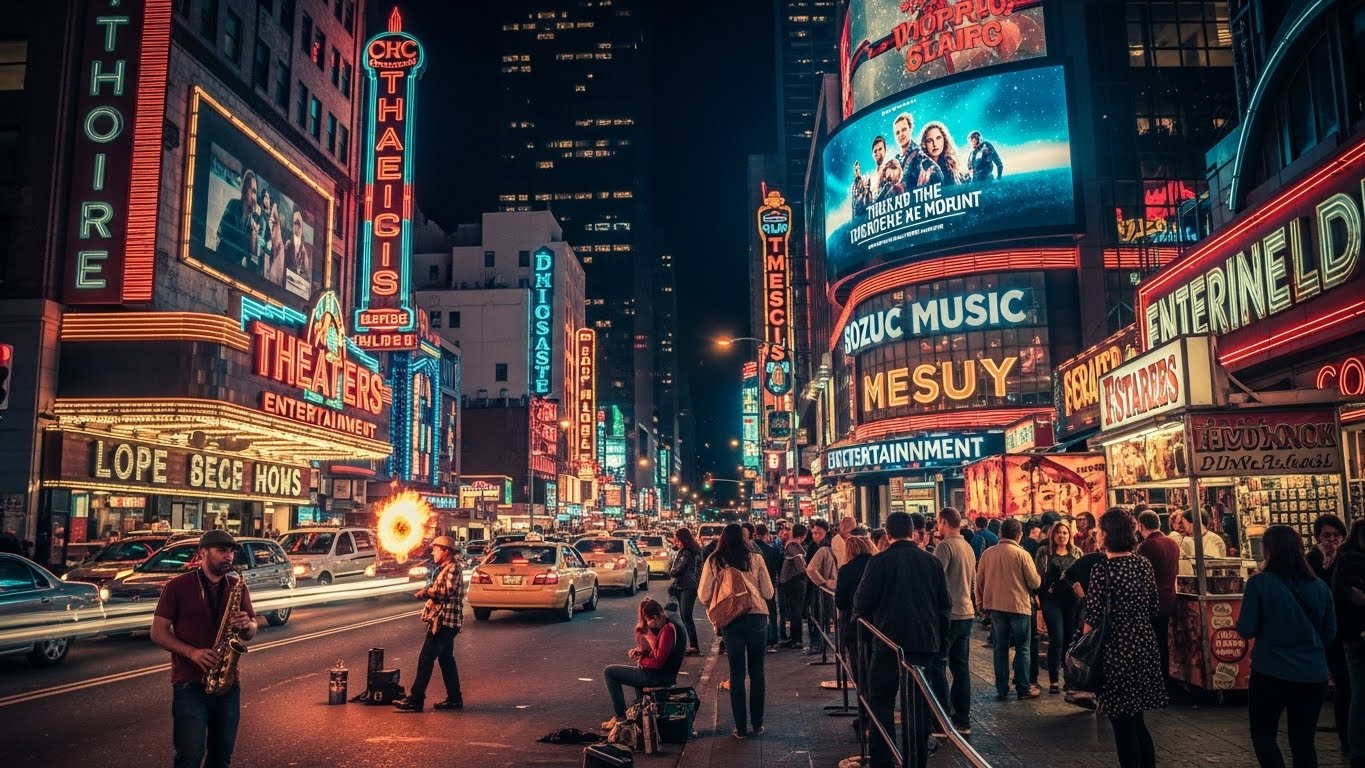
Entertainment has always been a mirror reflecting society’s values, desires, and innovations. From ancient storytelling and theater to the digital experiences of today, entertainment has evolved alongside human culture. It shapes how we perceive the world, influences social interaction, and provides a shared space for imagination and creativity. This blog explores the evolution of entertainment, the latest trends transforming the industry, and the profound impact it has on society and culture.
The Origins of Entertainment
Entertainment is as old as humanity itself. Early humans used storytelling around campfires to pass down knowledge, traditions, and myths. Music, dance, and theatrical performances became communal experiences, providing both leisure and education.
The invention of theater in ancient civilizations such as Greece and Rome marked a significant evolution. Plays, dramas, and comedies entertained while exploring societal themes, morality, and politics. These performances were more than amusement—they were cultural events that shaped collective identity and shared values.
The Golden Age of Cinema
The 20th century ushered in a revolution with the invention of motion pictures. Cinema transformed entertainment, offering immersive storytelling to mass audiences. Silent films captivated viewers with expressive acting and visual narratives, while the introduction of sound and color enhanced the cinematic experience.
Hollywood emerged as a global hub for filmmaking, producing iconic movies that shaped popular culture. Film became a medium to explore human emotions, social issues, and imaginative worlds. Over time, cinema evolved into a diverse industry, encompassing genres from action and drama to animation and experimental films.
Television and the Democratization of Entertainment
The arrival of television brought entertainment directly into homes, making it accessible to millions. TV shows, news broadcasts, and live events created shared cultural experiences, allowing families and communities to engage with content together.
Television also became a platform for innovation. Sitcoms, dramas, reality shows, and documentaries offered a wide range of storytelling formats. The accessibility of TV expanded the scope of entertainment, influencing social trends, fashion, and lifestyle. It became both a source of leisure and a vehicle for cultural dialogue.
The Digital Revolution: Streaming and On-Demand Content
The digital age has transformed entertainment in unprecedented ways. Streaming platforms have shifted the way audiences consume content, providing instant access to movies, shows, and music anytime, anywhere. On-demand content caters to individual preferences, allowing viewers to control what, when, and how they watch.
This revolution has also democratized content creation. Independent filmmakers, musicians, and creators can reach global audiences without traditional gatekeepers. Social media platforms amplify their reach, giving rise to viral trends, fan communities, and a new generation of entertainers. Digital platforms have made entertainment more personal, interactive, and diverse than ever before.
Gaming as an Entertainment Powerhouse
Gaming has emerged as one of the most influential forms of entertainment today. What started as simple arcade games has evolved into complex, immersive experiences with rich storytelling, social interaction, and competitive communities.
Games now offer cinematic narratives, virtual worlds, and interactive experiences that rival traditional media. Online multiplayer games and esports have created global communities, turning gaming into a social and cultural phenomenon. The rise of gaming highlights how entertainment is no longer passive—audiences actively participate, shaping their own experiences.
Music and the Evolution of Listening
Music has always been central to entertainment, evolving alongside technology and culture. From live performances in ancient societies to vinyl records, cassettes, CDs, and digital streaming, music consumption has constantly transformed.
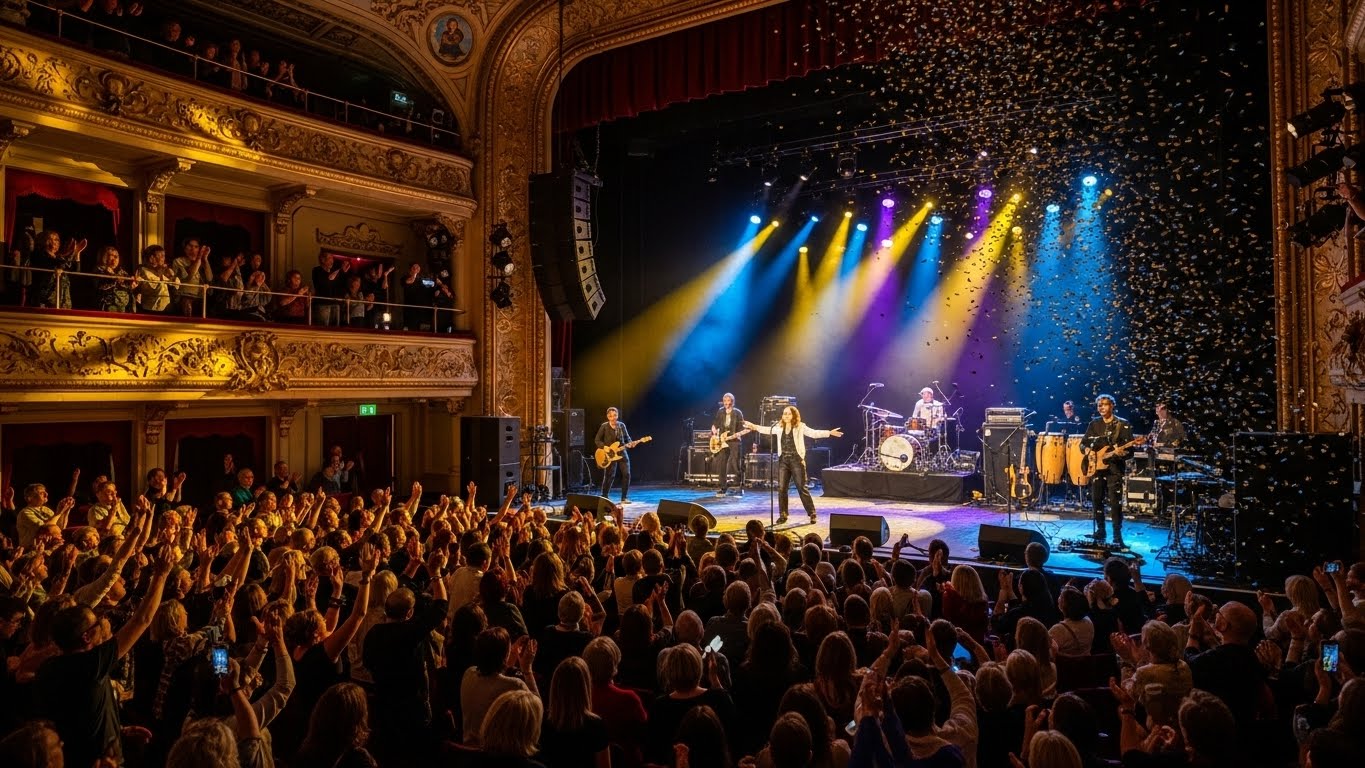
Digital platforms now allow instant access to vast catalogs of music, personalized playlists, and interactive experiences such as virtual concerts. Music festivals and live performances continue to draw audiences, creating communal experiences and cultural moments. Music remains a universal language, connecting people across generations, cultures, and geographies.
Virtual Reality and Immersive Experiences
Virtual Reality (VR) and Augmented Reality (AR) are redefining entertainment by creating immersive experiences that engage multiple senses. VR allows users to enter fully interactive worlds, while AR overlays digital elements onto the real environment.
These technologies are influencing gaming, films, concerts, and theme parks. Audiences can now explore fantastical worlds, interact with characters, and experience narratives in unprecedented ways. Immersive entertainment is no longer limited to observation—it requires participation, making the experience more personal and memorable.
The Role of Social Media in Entertainment
Social media platforms have become a central hub for entertainment, shaping trends, viral content, and celebrity culture. Short-form videos, memes, live streams, and interactive content engage audiences in real time, transforming the way entertainment is created and consumed.
Social media also empowers audiences to become creators. Influencers and content creators produce original content, connect with fans, and influence cultural trends. This shift has blurred the line between producers and consumers, creating a dynamic, participatory entertainment ecosystem.
The Cultural Impact of Entertainment
Entertainment does more than amuse—it influences identity, values, and behavior. Movies, shows, music, and games shape fashion, language, and social norms. Entertainment also provides a platform for exploring societal issues, challenging perspectives, and sparking conversations.
Cultural phenomena such as blockbuster films, viral music hits, and esports events create shared experiences that unite diverse audiences. Entertainment fosters empathy, creativity, and critical thinking, proving that it is both a reflection of society and a force that shapes it.
Challenges in Modern Entertainment
Despite its growth, the entertainment industry faces challenges. The rise of digital platforms has increased competition, making it harder for creators to stand out. Piracy, copyright issues, and intellectual property concerns threaten the sustainability of creative work.
Additionally, the pressure for constant content and instant gratification can impact the quality and depth of entertainment. Mental health concerns related to excessive screen time and social media consumption are also significant. Balancing innovation, creativity, and audience well-being remains an ongoing challenge.
The Future of Entertainment: Innovation and Integration
The future of entertainment lies in innovation and integration. Artificial Intelligence (AI) is being used to create personalized recommendations, enhance content creation, and develop interactive experiences. AI-driven storytelling could allow audiences to influence narratives in real time, creating dynamic, responsive entertainment.
Integration across mediums is also reshaping the industry. Films, games, music, and virtual experiences are converging into transmedia ecosystems, offering multi-dimensional engagement. Audiences can explore narratives across platforms, creating cohesive and immersive experiences that go beyond a single medium.
Sustainability and Ethical Considerations
As the industry grows, sustainability and ethics are becoming increasingly important. From eco-friendly production practices to inclusive representation and responsible messaging, entertainment companies are recognizing their social impact.
Audiences are demanding diversity, equity, and sustainability in content and operations. Ethical considerations, such as fair compensation for creators and respectful representation of communities, are shaping industry standards. Entertainment is not just a reflection of society—it is also responsible for contributing positively to it.
Conclusion: Entertainment as a Catalyst for Connection and Creativity
Entertainment has come a long way from storytelling around campfires to interactive digital experiences. It reflects culture, influences behavior, and fosters creativity, connection, and imagination. As technology evolves, entertainment will continue to push boundaries, creating immersive worlds, participatory experiences, and global communities.
From films and television to gaming, music, and virtual reality, entertainment is a dynamic force shaping how people experience the world. It is not just a pastime—it is a vital part of human culture, a platform for expression, and a window into the future.
The evolution of entertainment demonstrates its power to inspire, challenge, and unite. As audiences and creators continue to innovate together, the possibilities for immersive, meaningful, and transformative experiences are limitless. Entertainment is more than diversion—it is a celebration of human creativity and a reflection of our shared humanity.