
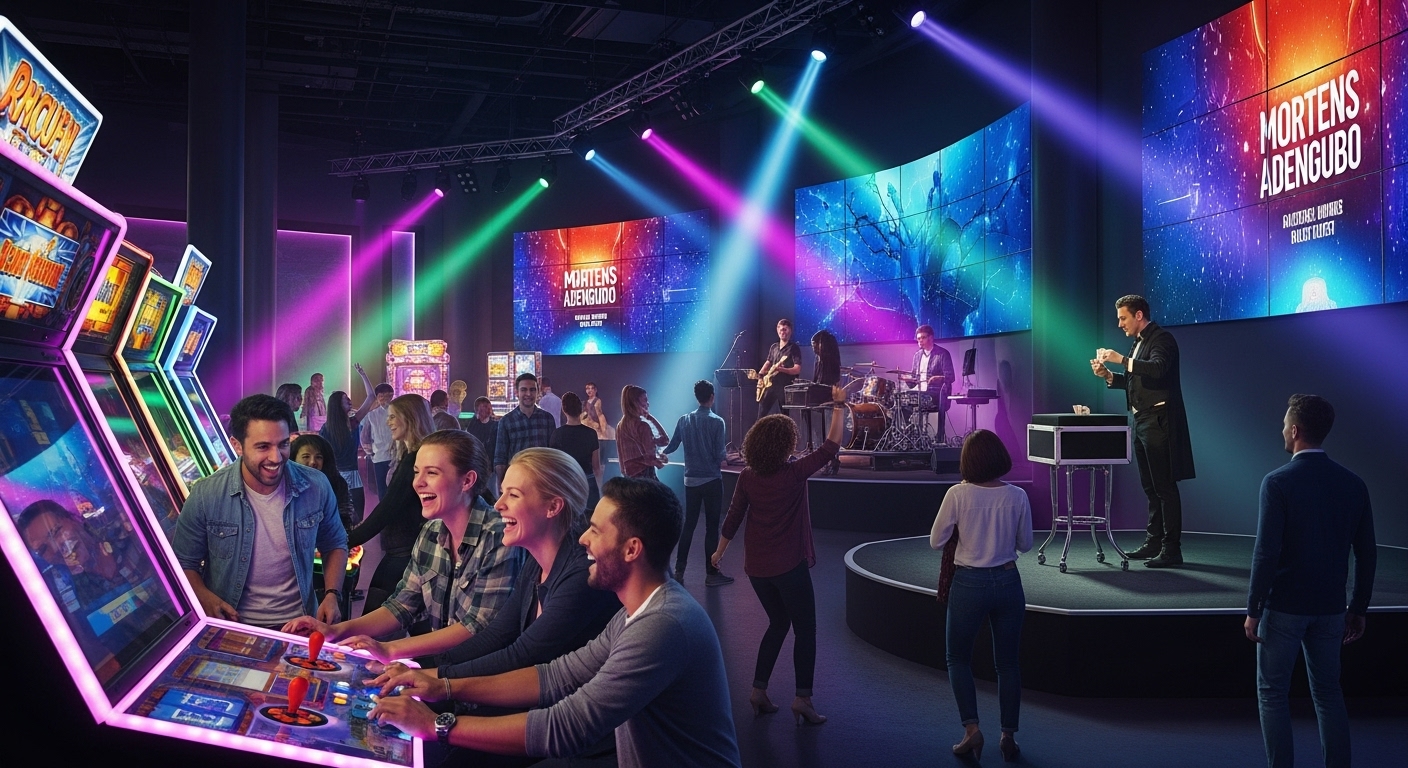
Entertainment has always played a central role in human culture. Whether through storytelling, music, or sports, people have sought ways to escape from their daily lives and experience joy, thrill, or reflection. But the nature of entertainment has transformed significantly over the years. What once relied on in-person performances or physical media has now evolved into a digital experience, forever changing how we consume and engage with content.
This journey of entertainment—from its traditional roots to the current digital age—offers a fascinating look into how technology, culture, and society influence our leisure time. In this blog post, we’ll explore the history of entertainment, the impact of technology on the industry, and how new forms of entertainment are reshaping our future.
The Beginnings of Entertainment: From Ancient Traditions to Theater
Long before the rise of films or video games, humans found joy and meaning in communal activities. Ancient civilizations relied on oral storytelling, dance, and ritualistic performances to entertain and educate their communities. For example, the ancient Greeks gave rise to the theatrical performances we recognize today. The plays of Sophocles, Euripides, and Aeschylus set the stage for the dramatic arts that would flourish for centuries.
In ancient Rome, gladiatorial games became the main spectacle for entertainment. These brutal contests were not only for the amusement of the public but also served to cement political power and demonstrate strength and valor. Similarly, during the Renaissance in Europe, opera and ballet became high art forms that merged entertainment with cultural and philosophical ideals.
These early forms of entertainment reflected societal values and were often about more than just fun—they served as means of education, social commentary, and even political control. Despite the vast differences in the types of entertainment across cultures, they all shared a common goal: to bring people together and create experiences that transcended the mundane.
The Birth of Cinema: The Golden Age of Film
The 20th century brought one of the most significant shifts in entertainment—cinema. While moving pictures existed as early as the late 19th century, it wasn’t until the 1920s that Hollywood began to shape modern cinema. Iconic filmmakers like Charlie Chaplin, Buster Keaton, and Alfred Hitchcock defined the art of storytelling through visual means.
The rise of silent films and their eventual evolution into “talkies” in the late 1920s opened new doors for entertainment. Suddenly, stories could be told on a grand scale, and audiences could experience emotions, drama, and humor in ways they never had before. Hollywood’s Golden Age in the 1930s and 1940s solidified film as a major cultural force, with stars like Humphrey Bogart, Marilyn Monroe, and Cary Grant capturing the imaginations of millions.
The mass appeal of movies turned cinema into a global phenomenon. The post-war era, marked by the emergence of color films and widescreen formats, further boosted cinema’s influence on pop culture. Theaters became communal spaces where people gathered to experience shared stories, and the idea of “blockbuster” films was born.
The Rise of Television: From Family Living Rooms to the Global Stage
While cinema dominated the entertainment industry in the first half of the 20th century, the advent of television in the 1950s changed everything. Families gathered around their television sets, exchanging their trips to the movies for the comfort of home entertainment. This marked the beginning of what would become the golden age of television.
In the 1960s and 1970s, television programming diversified, offering everything from sitcoms and dramas to news and educational programming. Shows like I Love Lucy, The Twilight Zone, and The Ed Sullivan Show became cultural touchstones, shaping social norms and providing a platform for the expression of ideas.
The 1980s and 1990s ushered in cable television and satellite networks, leading to an explosion in content variety. Networks like HBO, MTV, and ESPN broadened the scope of what television could be, catering to niche audiences and creating specialized entertainment experiences. The introduction of home video and VHS tapes in the 1980s also allowed audiences to watch movies on-demand from the comfort of their living rooms, further diminishing the divide between cinema and television.
Digital Entertainment and the Internet Revolution
The late 1990s and early 2000s brought the next seismic shift in entertainment: the internet. The rise of the internet revolutionized how people consumed content. Websites like YouTube, streaming services like Netflix, and social media platforms like Facebook and Twitter changed the landscape of entertainment forever.
The shift from physical media to digital formats became one of the most transformative moments in the history of entertainment. Once, we had to go to a store to buy a DVD or rent a VHS tape; now, we can stream movies and TV shows directly from our devices, with no need to leave our homes. This convenience has reshaped the industry, turning streaming giants like Netflix, Hulu, and Amazon Prime Video into household names.
Moreover, the rise of digital platforms has enabled a new form of entertainment: user-generated content. YouTube allowed anyone with a camera to share their creativity with the world, giving rise to vloggers, influencers, and content creators who have now built entire careers off their online presence. Social media platforms like TikTok, Instagram, and Snapchat have further accelerated this trend, making entertainment more interactive and participatory than ever before.
The Impact of Video Games: Interactivity Takes Center Stage
While digital media revolutionized passive entertainment, the rise of video games marked the beginning of a new era of interactive entertainment. From humble beginnings with arcade games and early console systems, video games have evolved into an entire industry in their own right.
Today, video games have become a multi-billion-dollar industry, offering everything from casual mobile games to expansive, story-driven narratives in titles like The Legend of Zelda and The Last of Us. The immersive experience that video games provide—whether through cutting-edge graphics, complex narratives, or multiplayer worlds—has brought video games into the mainstream. The rise of eSports, where players compete in global tournaments for massive cash prizes, has further solidified video gaming as a dominant form of entertainment.
Video games offer a level of interactivity that passive forms of entertainment, such as film or television, cannot. Players can shape the narrative, explore new worlds, and engage with friends in real-time, offering a sense of agency that other forms of media simply can’t match. With the growth of virtual reality (VR) and augmented reality (AR), the future of video games is only set to become more immersive and revolutionary.
Streaming Services and the Future of Entertainment
As we move deeper into the 21st century, one trend in entertainment is clear: on-demand, personalized content is the future. Streaming services have not only transformed how we consume TV shows and movies but have also created a shift in how entertainment is produced. Original content, like Stranger Things on Netflix or The Mandalorian on Disney+, has become a huge draw for subscribers.
The convenience of streaming services has led to the decline of traditional cable television, as people increasingly seek entertainment that fits into their busy, on-the-go lives. Instead of relying on scheduled programming, viewers can access thousands of hours of content at their fingertips—watching what they want, when they want.
Streaming is also encouraging a more diverse range of content, allowing niche genres and international productions to reach global audiences. Shows and movies that would have never seen the light of day on traditional networks are now thriving on platforms like Netflix, Amazon Prime Video, and Apple TV+. This democratization of content has led to a broader representation of different cultures, ideas, and perspectives in mainstream entertainment.
The Role of Artificial Intelligence and Virtual Reality
Looking to the future, we are just beginning to see the impact of artificial intelligence (AI) and virtual reality (VR) on entertainment. AI is already being used to personalize recommendations on streaming platforms, create more lifelike video game characters, and even write scripts for films. As technology advances, we could see AI-generated entertainment become a new genre in its own right.
Virtual reality and augmented reality, meanwhile, promise to blur the lines between reality and entertainment. VR headsets like the Oculus Rift have already provided immersive gaming experiences, and the technology is expected to revolutionize the way we experience everything from concerts to films. Imagine attending a concert where the artists are not physically present but appear as holograms, or watching a film where you are placed directly in the middle of the action.
The fusion of AI and VR could also change the way we interact with content—no longer just passive observers, but active participants in a dynamic, ever-evolving narrative. The entertainment experiences of tomorrow could be as immersive and interactive as we can imagine.
Conclusion: The Future of Entertainment
As entertainment continues to evolve, one thing remains clear: it will always be a reflection of human creativity, culture, and technology. The platforms and formats may change, but the desire to be entertained, to experience joy, laughter, and adventure, will always endure.
From ancient rituals to digital streaming, entertainment has been central to our lives, offering both an escape and a way to connect with the world around us. As we look to the future, there’s no telling where technology will take us, but one thing is certain—the future of entertainment will be more interactive, more personalized, and more immersive than ever before.