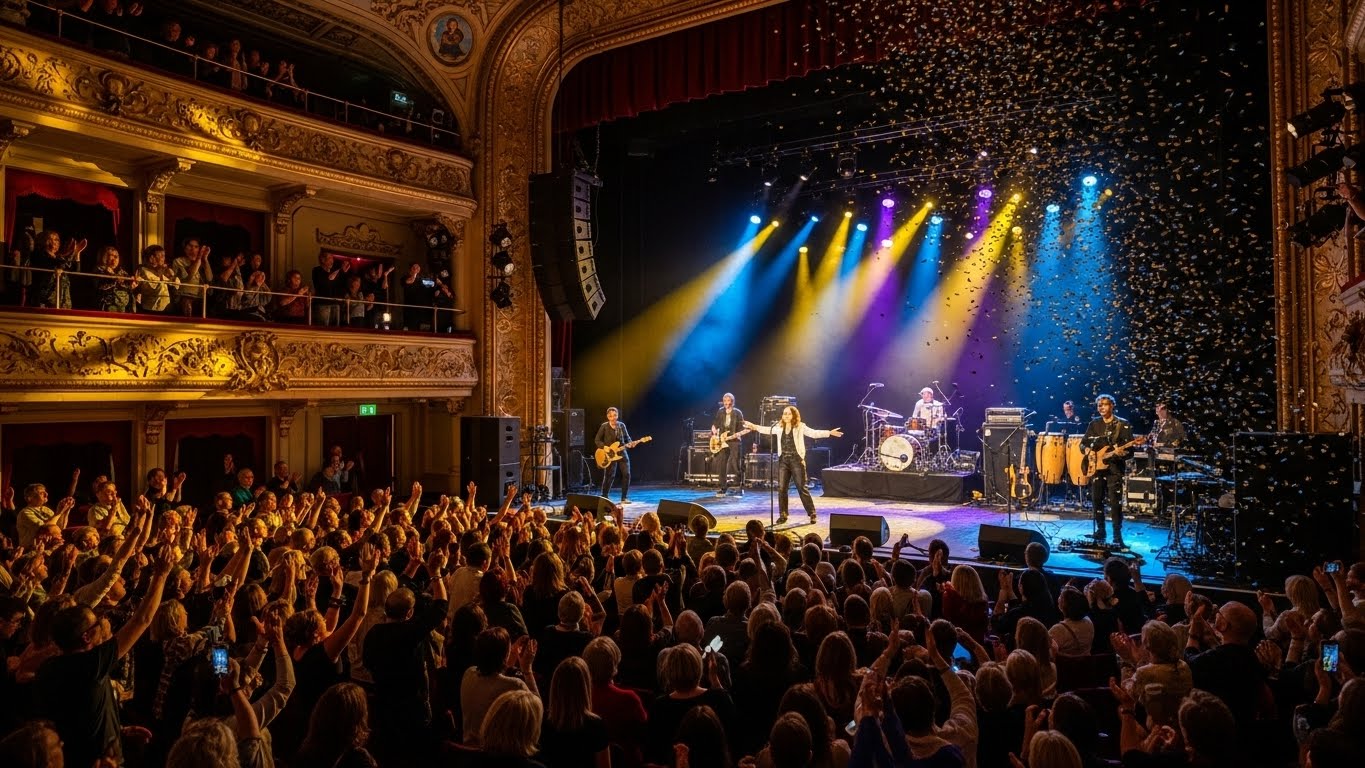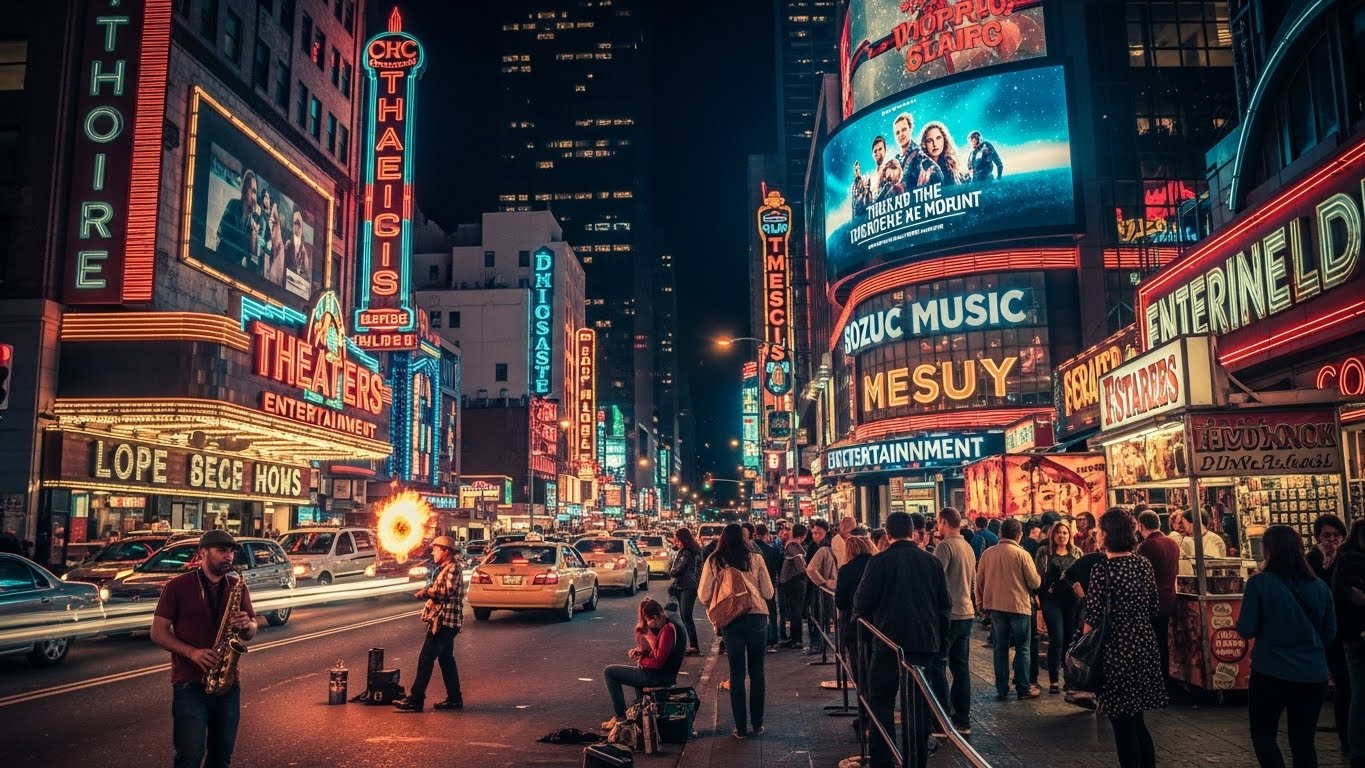
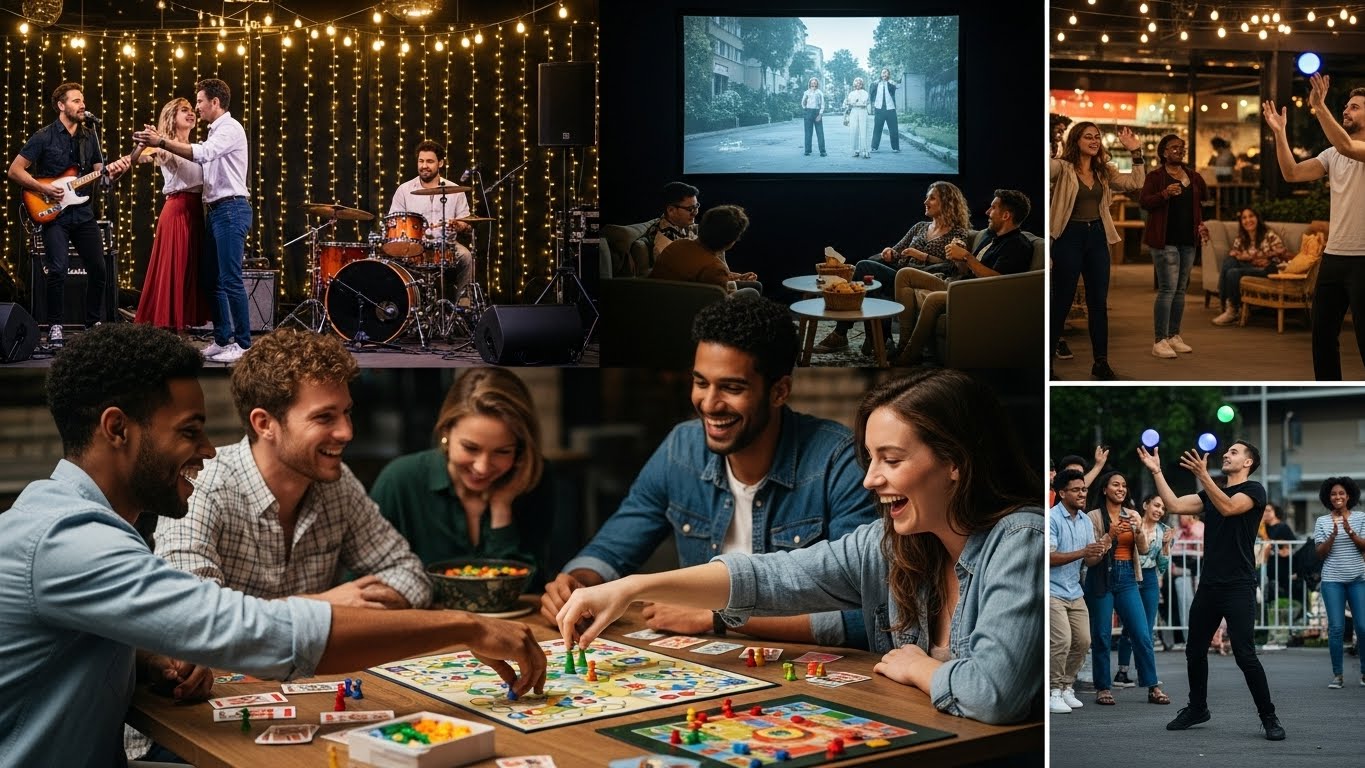
Entertainment has always been a cornerstone of human civilization. From the earliest oral traditions to the immersive digital experiences of today, entertainment reflects culture, ignites imagination, and fosters connection. It is more than just a pastime—it is a way to understand the world, express creativity, and bond with others. In the modern age, entertainment has evolved beyond traditional boundaries, blending technology, storytelling, music, and gaming into a vast ecosystem that touches every part of daily life. This blog explores the evolution, impact, and future of entertainment in today’s fast-changing world.
The Evolution of Entertainment
Entertainment has changed dramatically over centuries. In ancient times, it was largely communal. Storytelling, music, theater, and dance were performed in shared spaces, bringing communities together while passing down knowledge and culture. These performances were not just for amusement—they educated, inspired, and preserved cultural heritage.
With the invention of the printing press, literature became widely accessible, expanding entertainment from oral storytelling to books and poetry. Theater evolved into more structured forms, while the invention of radio, cinema, and television introduced mass entertainment. These technologies enabled stories, music, and performances to reach audiences far beyond local communities, shaping culture and social norms.
In the digital era, entertainment has become more personal and interactive. Streaming platforms, social media, and mobile devices allow people to access content instantly, curate experiences, and interact with creators. Entertainment is no longer limited by geography or timing; it is on-demand, personalized, and increasingly immersive.
The Rise of Streaming and On-Demand Culture
Streaming services have transformed the way we consume entertainment. Movies, television shows, documentaries, and even live events are now available on demand, allowing audiences to watch what they want, when they want. This convenience has reshaped viewing habits, creating a culture of binge-watching and personalized content consumption.
Content creators are also exploring new forms of storytelling. Longer narratives, complex characters, and unconventional plots are now possible because audiences can engage at their own pace. Independent filmmakers and musicians can reach global audiences without relying on traditional distribution methods, opening the door to diverse voices and innovative storytelling.
The accessibility of streaming has made entertainment more inclusive. People can explore international films, niche genres, and independent music without barriers. The digital revolution has brought the world closer, allowing audiences to experience stories from cultures and perspectives different from their own.
Social Media as a Stage
Social media has redefined entertainment in profound ways. Platforms like video-sharing apps, live-streaming channels, and social networks allow anyone to create and share content. Ordinary people can become entertainers, building audiences and influencing trends with short videos, sketches, performances, and music.
The interactive nature of social media makes entertainment participatory. Viewers comment, like, share, and even remix content, creating a dynamic exchange between creator and audience. Influencers and content creators now shape cultural trends in music, fashion, lifestyle, and gaming. Social media has democratized entertainment, giving audiences both access and influence over the content they consume.
Communities also flourish through social media. Fans form groups around shared interests, connecting across cities and countries. This sense of community enhances the experience, allowing audiences to celebrate their favorite content collectively and contribute to ongoing cultural trends.
Gaming as a Major Cultural Force
Video games have grown far beyond their origins as simple pastimes. Modern games feature rich narratives, intricate world-building, and emotional depth comparable to films. Virtual reality and augmented reality have added immersive dimensions, making gaming an experience that engages multiple senses and transports players to entirely new worlds.
Esports has transformed gaming into a spectator activity, with professional competitions watched by millions worldwide. Live streams and tournaments allow audiences to follow gameplay, learn strategies, and interact with players in real time. Gaming communities foster social interaction, collaboration, and competition, making the activity both personal and communal.
The rise of gaming illustrates how entertainment has shifted from passive observation to active participation. Players are not just consuming content—they are contributing to experiences, building communities, and even shaping cultural trends.
Music in the Digital Age
Music has always been a universal form of entertainment, capable of connecting people and evoking emotions. The digital era has revolutionized how music is created, shared, and consumed. Artists can produce tracks in home studios, while streaming platforms and social media enable instant distribution worldwide.
Virtual concerts and live-streamed performances have made music more accessible than ever. Fans can attend live events digitally, experiencing performances regardless of geography. Music trends often spread through viral clips or challenges, demonstrating how digital culture accelerates the reach and influence of entertainment.
The democratization of music has allowed independent artists to thrive without traditional record labels. Audiences have greater access to diverse genres, cultures, and voices, enriching the cultural landscape. Music is no longer just entertainment; it is a participatory and social experience that shapes lifestyle and identity.
Film and Television: Expanding Creativity and Diversity
Film and television continue to be powerful mediums of entertainment and cultural influence. Modern audiences expect engaging narratives, complex characters, and social relevance. Content creators are responding with stories that explore diverse themes, challenge conventions, and reflect real-world experiences.
Representation and inclusivity are now central to storytelling. Audiences seek content that reflects different cultures, genders, and perspectives. Inclusive films and shows broaden creative possibilities and foster empathy, showing that entertainment can influence social awareness and cultural understanding.
Streaming platforms have also encouraged experimentation with format and length. Mini-series, long-form dramas, and interactive narratives allow creators to push boundaries and connect with audiences in innovative ways. Modern entertainment is not only about amusement—it is about reflection, engagement, and impact.
Technology as the Driving Force
Technology is at the heart of modern entertainment. High-definition graphics, artificial intelligence, and virtual reality enhance experiences across movies, gaming, and music. Smartphones and tablets provide instant access to a world of content, making entertainment an integral part of daily life.
Interactivity is now a key feature of entertainment. Audiences participate, remix, and shape content, transforming the traditional one-way experience into a collaborative one. The combination of technology and creativity has redefined what it means to be entertained, making experiences immersive, dynamic, and inclusive.
Entertainment as a Reflection of Society
Entertainment often mirrors the values, struggles, and aspirations of society. Films, music, television shows, and digital content explore themes such as love, identity, justice, and courage. These stories allow audiences to reflect on their own experiences and understand broader cultural dynamics.
Entertainment also provides solace and inspiration during difficult times. Humorous content, uplifting music, and compelling stories offer emotional relief and foster resilience. Shared entertainment experiences strengthen communities and create connections, reinforcing its role as a unifying cultural force.
Community and Participation in Entertainment
The social aspect of entertainment has grown stronger in the digital age. Online fan communities, gaming networks, and social media groups allow audiences to connect over shared interests. Fans create content inspired by movies, shows, and games, including artwork, videos, and fan theories.
This participatory culture has transformed audiences from passive consumers into active contributors. Fans influence trends, celebrate creators, and collaborate with others to expand the narrative universe. Entertainment today is interactive, participatory, and community-driven, reflecting the interconnected nature of modern culture.
The Future of Entertainment
The future promises even more immersive and personalized experiences. Technologies such as virtual reality, augmented reality, and artificial intelligence will allow audiences to engage with content in interactive and adaptive ways. Interactive storytelling, adaptive games, and real-time collaborative platforms will create highly engaging and unique experiences.
Despite technological advancements, the purpose of entertainment remains constant: to inspire, connect, and bring joy. Modern entertainment will continue to evolve with audiences, reflecting cultural trends, nurturing creativity, and shaping human experience.
Conclusion
Entertainment is far more than leisure—it is a central part of human culture, creativity, and connection. From storytelling and music to film, television, and gaming, entertainment has evolved to meet the changing needs of audiences while embracing technological innovation. It brings people together, sparks imagination, and reflects the world around us.
In today’s digital age, entertainment is immersive, participatory, and deeply personal. It thrives on technology, community, and creativity, shaping social trends, cultural understanding, and personal experiences. Beyond screens, stages, and devices, entertainment continues to enrich our lives, inspire creativity, and connect humanity in ways that transcend borders and generations.