Entertainment has always been an essential part of human culture. From ancient plays to modern movies and video games, we have continuously found new ways to relax, engage, and connect with others through the art of entertainment. However, in the past few decades, the landscape of entertainment has evolved at an unprecedented pace, driven primarily by the rapid advancement of technology. The digital revolution has reshaped how we consume content, engage with creators, and interact with fellow fans. In this blog post, we will explore how the world of entertainment has transformed in the digital era, the impact of technology on our leisure activities, and what the future of entertainment might look like as new trends and technologies continue to emerge.
The Evolution of Entertainment: From Traditional to Digital
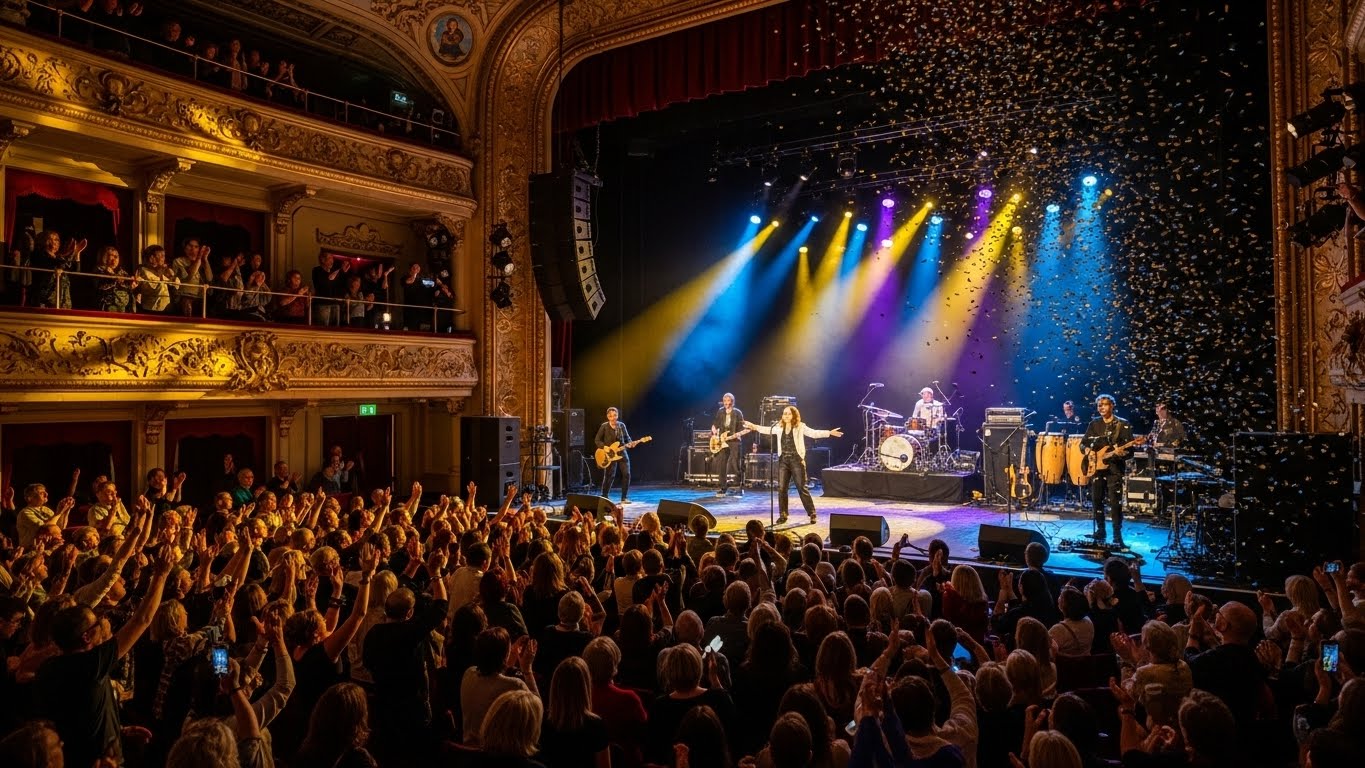
For much of human history, entertainment was confined to physical spaces and required a direct social or cultural experience. Theater performances, music concerts, and communal movie-watching were all activities designed to be enjoyed in groups, whether in large stadiums, concert halls, or movie theaters. Television and radio became the first mass entertainment channels in the 20th century, allowing millions of people to experience music, dramas, and news from the comfort of their homes. These traditional forms of entertainment were largely passive, as the audience’s role was simply to absorb what was being broadcasted to them.
However, with the rise of the internet and the proliferation of digital technologies, the way people consume entertainment has drastically changed. The internet has allowed for on-demand access to nearly every form of content imaginable—movies, television shows, music, podcasts, and even live performances—anytime and anywhere. No longer bound by the limitations of scheduled programming or physical media, people now have greater control over what they watch, listen to, and when they engage with it.
Streaming Platforms: Redefining How We Consume Media
One of the most significant innovations in entertainment over the last two decades has been the advent of streaming services. Platforms like Netflix, Hulu, Disney+, Amazon Prime, and Apple TV+ have fundamentally changed the way we consume television and film. These platforms have shifted the focus from scheduled programming to on-demand access, enabling viewers to watch entire seasons of their favorite shows in one sitting or pick and choose from a vast library of films.
Streaming services have also made it easier for people to discover new content. Algorithms now curate personalized recommendations based on viewing history, making it possible for users to find new shows and movies that align with their tastes. This has created a shift from traditional TV where viewers might have only a handful of shows to choose from each week to a more individualized experience where thousands of options are available at the push of a button.
Furthermore, streaming has democratized content creation. Independent filmmakers, YouTubers, and musicians now have the opportunity to bypass traditional gatekeepers and distribute their work directly to a global audience. Platforms like YouTube, Vimeo, and Netflix’s own original programming have allowed creators from all walks of life to showcase their talents and gain recognition.
In the realm of music, services like Spotify, Apple Music, and Tidal have had a similar effect. The days of owning physical music collections or downloading MP3s have been replaced by subscription-based access to millions of songs, available on demand. This has changed the music industry by giving artists direct access to fans, bypassing traditional record labels and physical distribution networks. It also enables listeners to discover new music with a simple search or curated playlist.
Social Media and Its Impact on Entertainment
In addition to streaming, social media has played a crucial role in transforming the entertainment industry. Platforms such as Instagram, Twitter, Facebook, TikTok, and YouTube have allowed content creators to reach global audiences without the need for expensive production budgets or distribution deals. Through short videos, live streams, and regular updates, influencers, musicians, and even celebrities are now able to build personal connections with their audiences, making them more relatable and accessible than ever before.
Social media has also created new avenues for viral content. Memes, challenges, and viral videos are born on platforms like TikTok, Twitter, and Instagram, spreading rapidly across the internet. A single meme or viral clip can make its way into mainstream culture, influencing everything from advertising campaigns to political discourse. Social media has shifted entertainment from a one-way communication model, where creators broadcast to passive audiences, to a two-way interaction where fans can engage with content, share their opinions, and even influence the direction of shows or trends.
The power of social media is especially visible in the rise of “micro-celebrities” and influencers. These individuals, often with millions of followers, have become the new faces of modern entertainment. Rather than relying on traditional TV networks or film studios, influencers build their brands on social platforms through vlogs, tutorials, and live-streamed content. This democratization of fame has created new opportunities for creators, with many transitioning from social media platforms to mainstream entertainment, appearing in films, TV shows, and music videos.
Gaming as the New Frontier of Entertainment
While television, movies, and music have long been the dominant forms of entertainment, the rise of video gaming has emerged as one of the fastest-growing sectors of the entertainment industry. Gaming has evolved far beyond the days of simple arcade machines and pixelated graphics. Today, it is an immersive, interactive experience enjoyed by people of all ages across the globe.
Video games offer an unparalleled level of engagement compared to passive forms of entertainment like watching movies or listening to music. Players don’t just observe the action; they participate in it, making choices that influence the outcome of the game. Open-world games like The Witcher 3, Red Dead Redemption 2, and Grand Theft Auto V allow players to explore vast, detailed environments and take part in expansive storylines. Multiplayer games such as Fortnite, League of Legends, and Call of Duty have created global communities of players who can connect and compete in real time, forming social bonds around their shared love of gaming.
The explosion of esports has further elevated gaming to a professional level. Esports tournaments now attract millions of viewers, with top-tier players competing for massive prize pools. Just like traditional sports, esports has its own fan base, sponsors, and even professional leagues. Streaming platforms like Twitch and YouTube Gaming allow gamers to broadcast their gameplay live, building massive followings and turning gaming into a form of entertainment that goes far beyond simply playing.
Moreover, virtual reality (VR) and augmented reality (AR) are pushing the boundaries of what gaming can be. VR headsets like the Oculus Rift and PlayStation VR offer players the ability to immerse themselves in fully realized, 3D worlds where they can physically interact with the environment. AR games like Pokémon Go blend digital elements with the real world, creating new, hybrid forms of entertainment that engage both the mind and body.
The Role of Technology in Shaping Future Entertainment
Looking ahead, technology will continue to be the driving force behind the evolution of entertainment. The continued development of artificial intelligence (AI), machine learning, and virtual reality is likely to lead to more personalized, immersive, and interactive experiences.
One potential future development is the rise of interactive television and film. Imagine watching a movie where the viewer’s decisions affect the plot, similar to the Bandersnatch episode of Black Mirror or Netflix’s Choose Your Own Adventure titles. This kind of interactive storytelling could become a standard feature, allowing audiences to shape the narrative and experience the content in unique ways.
Another area of growth is in AI-driven content creation. AI has already been used to generate music, art, and even news articles, and in the future, it could be used to create entire films or TV shows. With AI’s ability to analyze vast amounts of data, it could potentially generate personalized content tailored specifically to individual tastes, offering a level of customization never before seen in entertainment.
The ongoing development of 5G networks also promises to enhance entertainment experiences, especially in the realm of gaming and streaming. With faster speeds and lower latency, 5G will allow for high-quality, lag-free streaming of 4K content and more responsive online gaming. This could open the door for more cloud-based gaming, where players no longer need expensive hardware to play graphically intensive games; they can stream them directly to any device.
The Changing Face of Live Entertainment
While digital platforms have significantly altered how we consume entertainment, live events have also evolved in response to technological changes. Live-streaming platforms such as Twitch, YouTube Live, and Instagram Live have brought concerts, theater productions, and sports events directly into people’s homes. Virtual concerts and events have become increasingly popular, particularly in response to global events like the COVID-19 pandemic, which made in-person gatherings difficult or impossible.
In the future, live entertainment may become even more immersive through virtual reality and augmented reality. Audiences could attend virtual concerts or theater performances, feeling as though they are physically present, even if they are watching from home. This type of entertainment would break down geographical barriers, allowing fans to experience events from anywhere in the world.
Conclusion: Entertainment’s Ever-Changing Landscape
The digital revolution has fundamentally changed the way we experience entertainment. From the rise of streaming services to the emergence of gaming and the growing influence of social media, the entertainment industry is more diverse and accessible than ever before. Technology has not only made it easier to access content but has also created new forms of interactive and immersive experiences. As we move further into the digital age, we can expect even more innovations that will continue to reshape how we engage with entertainment, offering us personalized, real-time, and interactive experiences that were once unimaginable.
The future of entertainment is bright, with exciting opportunities ahead. What’s clear is that the digital era has forever altered the way we consume, create, and connect through entertainment. As technology continues to evolve, we can only imagine the new forms of leisure and engagement that will emerge, enriching our lives in ways we’ve never before experienced.